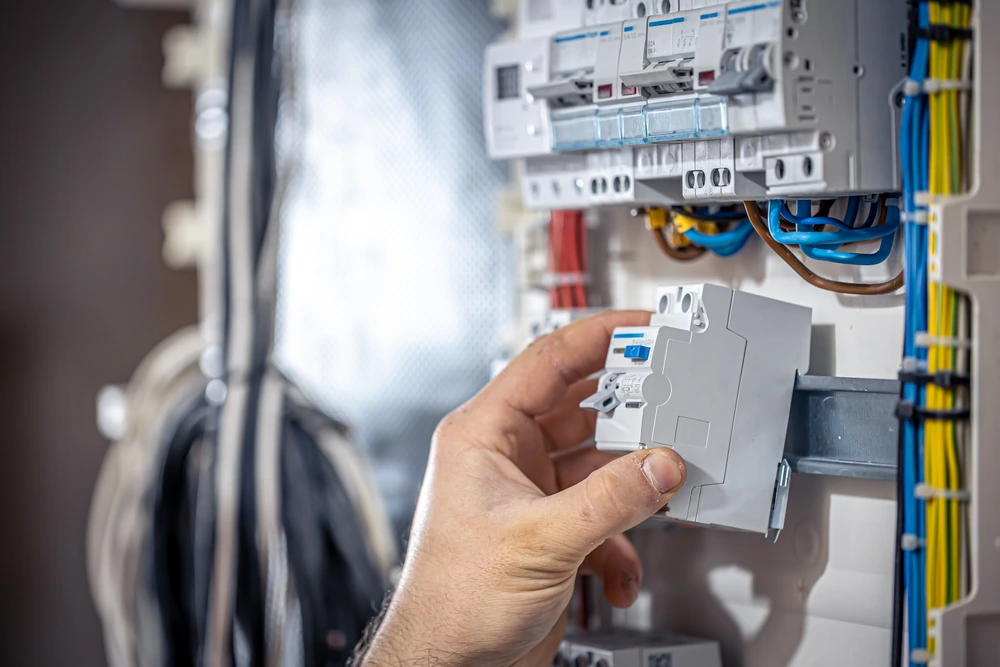
Electrical problems rarely appear all at once. Instead, they creep in quietly, lights that flicker for no reason, circuits that trip during normal use, or appliances that suddenly lose power. For many homeowners, these issues point to one underlying cause: an outdated electrical system struggling to keep up. This is where switchboard upgrades become an essential part of maintaining a safe and reliable home in Epping.
Modern households rely heavily on electricity. From air conditioning and induction cooking to home offices and smart devices, today’s energy demands are far greater than what older switchboards were designed to handle. When your electrical panel cannot distribute power efficiently, faults begin to appear more frequently, affecting both safety and comfort.
Upgrading your electrical infrastructure is not just about fixing problems; it’s about preventing future ones. Well-planned switchboard upgrades in Epping improve power stability, support modern appliances, and help ensure your home meets current Australian safety standards while giving you long-term peace of mind.
Understanding Your Home’s Switchboard
Your switchboard is essentially the heart of your home’s electrical system. It takes the incoming supply from the street and divides it across circuits for lights, outlets, appliances, and heaters. The panel also contains protection devices, circuit breakers and safety switches that shut off power when something goes wrong. In older Australian homes, the switchboard might still be an antiquated fuse box without modern RCDs (Residual Current Devices). Such outdated panels often lack the capacity or safety features to handle today’s loads.
- Capacity and Circuits: Older switchboards might have only 60–100 amps of capacity and a few spare slots. If you add modern appliances, the board can become overloaded.
- Protection Devices: A vintage panel may use old-style rewirable fuses that do not protect against electrical shock. In contrast, modern panels use circuit breakers and safety switches to cut power instantly on a fault.
- Location & Condition: Some switchboards in older Epping homes may even contain asbestos or worn wiring. Any defects can cause arcing, fires or electrocution hazards.
By upgrading the panel, you replace this old fuse box with a new breaker panel that has a higher capacity and meets current standards. The upgrade essentially future-proofs your electrical system, so it can safely handle today’s demands and tomorrow’s upgrades.
Signs Your Switchboard Needs an Upgrade
How do you know your switchboard is to blame for power problems? Common warning signs include frequent breaker trips, dimming or flickering lights, buzzing sounds, or any burning smell around your meter box. Energy Safe Victoria warns that flickering lights and sparks from switches or outlets are tell-tale signs of faulty wiring or an unsafe board.
| Symptom | Likely Cause (Old Switchboard) | How an Upgrade Fixes It |
| Frequent breaker trips | Overloaded or weak circuits in a low-capacity panel | New breakers and more circuits handle higher loads |
| Lights dim/flicker | Loose connections or insufficient panel capacity | Rewiring and a higher ampere panel stabilise the voltage |
| No safety switch (‘TEST’ button) | Old fuses; no RCDs | Install safety switches (RCDs) on all circuits |
| Burning smell or scorching | Worn components or overloaded circuits | Fresh wiring & components remove fault points |
| Adding new appliances | Not enough space or capacity | Expanded panel with room for extra circuits |
A residential switchboard upgrade directly addresses each issue. For example, if your circuit keeps tripping whenever the AC runs, an upgraded panel with higher capacity and properly sized breakers can eliminate that overload. If your panel has no safety switches (RCDs), an upgrade will include those devices to instantly cut power on a fault. In short, upgrading makes an electrical system upgrade that solves many common power faults at the root.
How an Electrical Panel Upgrade Solves Faults
So what happens during an electrical panel upgrade that fixes power problems? Essentially, you swap old gear for new and improve the system’s design:
Higher Amperage and More Circuits: A new switchboard often has a larger main capacity and plenty of breaker slots. This prevents overloads. Instead of a single overloaded circuit, your electrician can distribute devices across multiple breakers, each protecting a specific circuit. The panel “safely and efficiently manage the higher demand”, so things like your oven, heaters and EV charger can all run without causing a trip.
Modern Safety Devices: Upgrades install safety switches (RCDs) on every circuit. These devices continuously monitor current flow and instantly cut power the moment a fault occurs. That means if a wire becomes live or a device shorts, the safety switch will protect you in a split second. In an old fuse box without RCDs, there’s no such shock protection. By adding RCDs, the upgrade greatly reduces electrocution and fire risks.
Improved Wiring Connections: During the upgrade, the electrician will replace any worn or damaged wiring in the switchboard. Loose connections that used to cause arcing and voltage drops are fixed. This means your lights will stay steady instead of dimming randomly. More secure wiring and connections also reduce heat generation at the panel, cutting down the chance of fire.
Compliance with Standards: All new installations must meet current regulations. An upgrade ensures your panel uses compliant components and labelling. It might remove banned substances if present. An upgraded switchboard is not just more functional; it makes your home legally safe.
Consider the switchboard upgrade as giving your home’s electrical system a complete health check and boost. It is often the only way to stop recurring faults when simple fixes no longer work. By upgrading, you eliminate the outdated panel’s weak links and get a robust system tailored to your needs.
Safety Switch Installation and Protection
A key part of a switchboard upgrade is installing safety switches on all circuits. In Australia, these are also known as RCDs (Residual Current Devices) or Safety Breakers. They do this by quickly cutting the circuit if they detect any leakage current. Without them, an electrical fault could keep power flowing through a person or a faulty appliance, causing injury.
Older homes frequently lack safety switches. The older style switchboard most likely has rewirable fuses, which do not protect you from electric shock. By contrast, every modern switchboard must have RCD protection. During an upgrade, your electrician will fit safety switches and show you how to test them. Regular testing of these switches is crucial; if a switch doesn’t trip when tested, that’s the time to call an electrician immediately.
Safety switch installation thus directly solves serious hazards. Many power faults simply won’t occur if a well-installed safety switch is present. Upgrading your panel to include these devices means you won’t be left unprotected by outdated fuses.
Choosing the Right Electrician and the Upgrade Process
Undertaking a switchboard upgrade requires a qualified professional. In Victoria, only an A-grade licensed electrician can legally perform household wiring work. They will handle everything from pulling permits to installing the new panel. The general steps in a switchboard or electrical panel upgrade are:
- Inspection & Planning: The electrician inspects your current panel, wiring and power needs. They check if a new meter box or service cable is required. Ask them if any signs of damage are present.
- Shut Down & Remove Old Panel: The power is turned off, and the old switchboard is carefully disconnected and removed. If your panel contains asbestos or other hazards (as some older ones do), the electrician arranges safe removal.
- Install New Panel: A new enclosure (switchboard) is mounted. New circuit breakers, RCDs and wiring terminals are installed. The electrician transfers circuits to the new breakers, improving the circuit layout as needed. They also label each breaker.
- Testing and Certification: After wiring, the electrician tests every circuit and safety switch to ensure everything trips and resets correctly. A safety inspection is done, and once everything passes, you receive a Certificate of Electrical Safety.
- Final Checks: The electrician restores power to your home and demonstrates how to operate/reset the safety switches. They will likely advise you on which switches control which parts of your home (kitchen, lighting, etc.) so you can safely test them in future.
When to Call an Emergency Electrician
Some electrical issues are urgent. If you ever notice sizzling sounds, smoke, sparks, or frequent unexplained breaker trips, call a licensed emergency electrician immediately. Never attempt DIY fixes on the switchboard. Only a qualified electrician is equipped to inspect or fix household wiring. They have the training to diagnose hidden faults and to safely carry out the switchboard replacement. Remember, frequent power cuts or visible damage around the panel are warning lights; ignoring them risks electrocution or fire.
In short, if your power problems persist after minor troubleshooting, don’t wait. Engage a professional. Upgrading the panel is the definitive fix, but even before that, a competent electrician can help stabilise your system and plan the upgrade properly. And once upgraded, you’ll have peace of mind knowing your home’s electrical system meets the latest safety standards.
Conclusion
Power faults in Epping homes often point to one root cause: an outdated, overworked switchboard. A switchboard upgrade replaces that weak link with a modern, higher-capacity panel and essential safety switches. This resolves frequent trips, flickering lights and other glitches at their source. It also dramatically improves safety, cutting the risk of shock and fire.
If you’re experiencing electrical issues, the upgrade is worth considering. It’s not just an optional luxury; it’s often essential to handle today’s energy needs and to comply with safety laws. Don’t ignore warning signs. Call a licensed electrician to inspect your switchboard. Investing in this upgrade will keep your Epping home running smoothly, protect your family, and ensure your electrical system is robust enough for the future.
If you’re experiencing electrical problems or planning improvements, now is the right time to act. At Eleco Electrical & Data, we provide switchboard upgrades, electrical panel upgrades, electrical switchboard replacement, emergency electrician services, and complete residential electrical solutions. Contact us today and get expert advice tailored to your home.
FAQs:
-
What does a switchboard upgrade involve?
It means replacing an old fuse box or low-capacity panel with a modern electrical panel. The electrician installs new circuit breakers, safety switches (RCDs) and possibly higher-capacity wiring. This provides more circuits and up-to-date protection. After the upgrade, your system can handle new appliances safely and meet current regulations.
-
How does an upgraded panel prevent power outages and faults?
A new panel has higher amperage capacity and properly sized breakers, so it won’t overload as easily when you run multiple devices. It also includes RCD safety switches on every circuit, which immediately cut power at the first sign of a fault. This means issues that used to trip your power are handled smoothly, stopping flickers and blackouts. In short, upgrading fixes the old board’s weak spots by giving your system more headroom and instantaneous safety shutdown.
-
When should I call an emergency electrician?
If you see or smell anything alarming around your switchboard, or your power keeps cutting out repeatedly, call a licensed electrician right away. These are signs of serious faults. A professional can safely diagnose the problem and replace the panel if needed. Remember, only a qualified (A-grade) electrician should handle electrical repairs in the home.