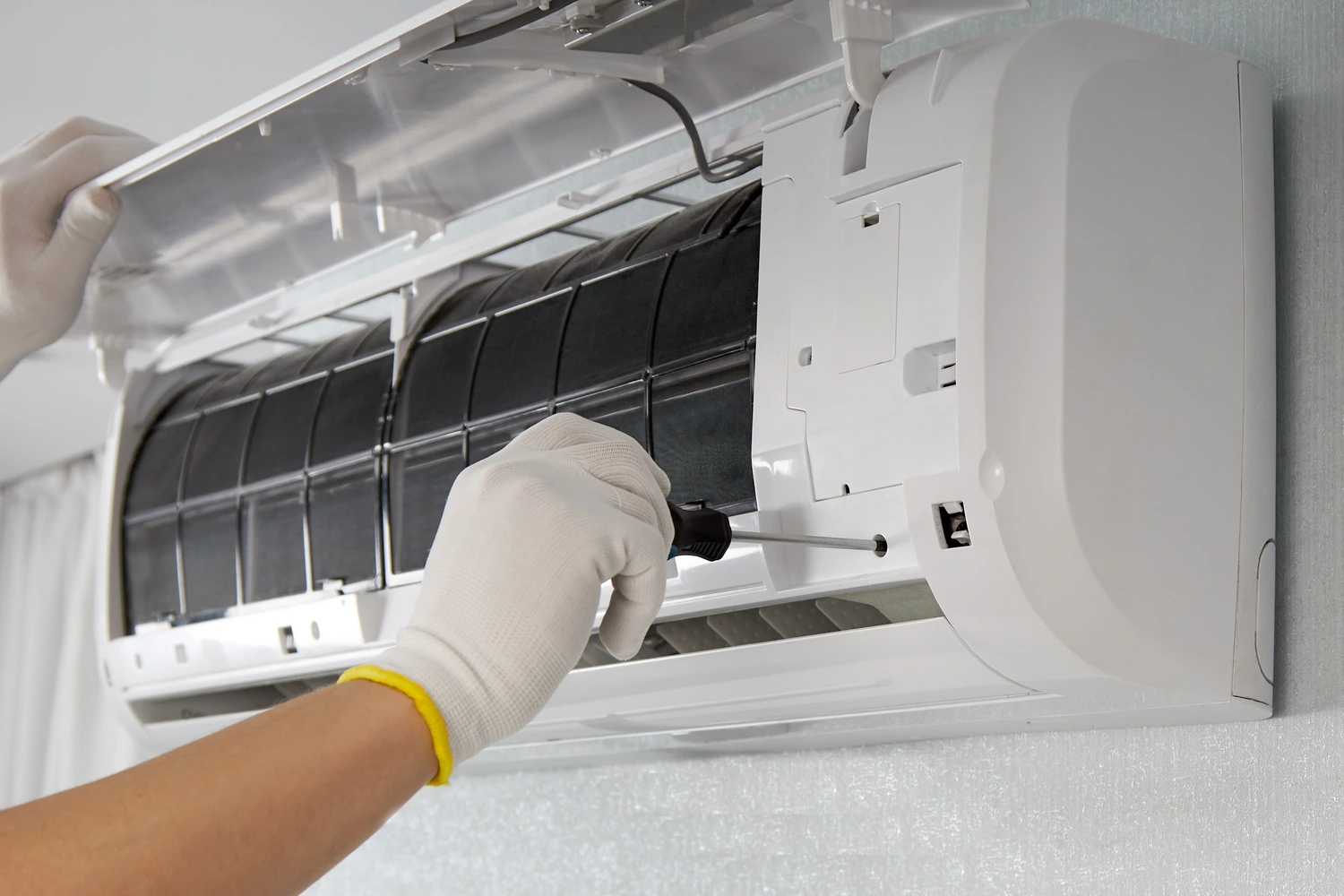
Keeping your home comfortable during Australia’s warm months is more than a luxury; it’s part of everyday living. For homeowners in Lalor, choosing the right cooling system can make a noticeable difference in how your home feels throughout the year. That’s where split system installation in Lalor becomes an important consideration. A well-installed split system not only keeps indoor temperatures pleasant but also improves energy efficiency and overall comfort.
Modern air conditioning solutions have evolved significantly over the years. Today’s split system air conditioners are designed to deliver efficient cooling, quiet operation, and sleek aesthetics that blend easily into contemporary homes. Many homeowners appreciate how these systems provide targeted temperature control for specific rooms, allowing greater flexibility and comfort.
However, the real performance of any cooling unit depends heavily on professional split system installation in Lalor. Proper placement, correct sizing, and expert air conditioning installation ensure the system operates at its best. When installed by experienced professionals, a split system can transform your home into a cool, relaxing space even during Lalor’s warmer days.
Why Choose a Split System for Your Lalor Home?
Split-system air conditioners are very popular in Australian homes because they offer targeted heating and cooling without bulky ductwork. Lalor’s summers often see daytime highs around 28–30°C, so an efficient split system can make a big difference. Compared to window or portable units, a wall-mounted split system delivers quiet, energy-efficient cooling. Modern models with inverter technology adjust their power on the fly, saving on running costs over time. Moreover, reverse-cycle split systems also provide reliable heating in cool winters, making them a year-round solution.
Many homeowners also benefit from local incentives. This can significantly offset the installation cost. Whether you live in a small townhouse or a larger family home, choosing a split system tailored to your needs ensures efficient, economical air conditioning all year long.
Picking the Right Unit and Size
Choosing the correct system capacity is crucial for efficient cooling. A unit that’s too small will run constantly and still feel warm; one that’s too big will cycle on and off, wasting energy and causing uneven temperatures. A general rule of thumb is:
| Approx. Room Size (m²) | Suggested System Capacity |
| Up to ~20 (small room) | 2.0 – 3.5 kW |
| 20 – 40 (medium room) | 3.5 – 6.0 kW |
| 40 – 60 (large room) | 6.0 – 9.0 kW |
For example, a single bedroom (up to ~20 m²) often needs around a 2.0–3.5 kW split system, while a large open-plan living area (40–60 m²) might require 6–9 kW. It’s best to have a professional perform a room-by-room assessment; they will consider factors like ceiling height, insulation quality, and sun exposure.
Energy ratings matter too: Pick a unit with a high star rating and inverter technology. Higher-rated models run more efficiently. In Australia, air conditioners come with an energy label (1 to 10 stars). Models with more stars use up to 40% less power. Over time, the higher upfront cost pays off with lower bills. In practice, look for at least a 3–4 star minimum, and ideally a 5–6 star model for long-term savings.
Integrate smart features if you can: Many units now have Wi-Fi remote control, timers, and eco-modes that help reduce energy use. For instance, you can set a timer to cool the house before you arrive, so the system runs optimally. All these factors—correct sizing, inverter tech, and energy efficiency—will ensure your Lalor home stays comfortably cool without breaking the bank.
Ideal Indoor Unit Placement
The indoor unit of a split system should be installed high on a wall, away from direct sunlight or heat sources. To circulate cool air evenly, mount the indoor unit about 2 metres above the floor. This height helps the cool air mix properly with the room air. Also, leave at least 15 cm of clearance around the unit so air can flow freely.
Avoid installing the indoor unit above a bed or sofa, which can blast cold air directly on people. Instead, place it to one side of the room or in a central position where airflow is unobstructed. Try not to point it at mirrors or windows; direct sunlight will make the thermostat think the room is warmer, causing over-cycling.
Choose a strong wall without obstructions (no studs or pipes in the way) for mounting. If you must install on an internal wall, make sure you account for drainage. In practice, most indoor heads are installed on solid external walls so the refrigerant lines can pass straight outside.
Placement Tips Summary:
- High Wall Mounting: ~2m up for even airflow.
- Clearance: ≥15 cm free space around unit.
- Avoid Heat: Don’t install near windows, ovens, or direct sun.
- Avoid Blasting People: Not directly above beds or seating.
Outdoor Unit Placement and Noise
The outdoor compressor unit also needs careful placement. It should sit on a solid, level surface (like a concrete pad or sturdy bracket) to minimise vibration. Choose a well-ventilated spot clear of leaves or debris; airflow around the condenser fins is essential for efficiency. Avoid cramped or enclosed spaces that trap heat.
Ideally, the outdoor unit should be on the cooler, shaded side of the house to avoid the midday sun. If that’s not possible, consider a sunshade, just ensure it doesn’t block airflow. Also, keep it 30–50 cm away from the wall so it can breathe.
Noise is another concern. While indoor units are whisper-quiet, outdoor compressors do make sound. Position the unit well away from bedroom windows or neighbours’ living areas if possible, to minimise disturbance.
Finally, secure the unit against theft or tipping and connect it to a proper isolation switch as per AS/NZS 3000 electrical standards. Run the refrigerant lines and drainage pipe carefully: slope the drain hose slightly downward so condensate flows away without pooling. Proper outdoor placement not only prolongs unit life but also ensures quieter, more effective cooling for your home.
Professional Installation and Safety
A licensed technician installs a split system with the required tools and expertise. When it comes to hooking up refrigerant and wiring, professional installation is non-negotiable. In Australia, only licensed HVAC installers (with an ARC-Tick or similar certification) may handle refrigerants; similarly, only licensed electricians can do the hardwiring to meet AS/NZS 3000 (the Wiring Rules). Attempting a DIY install is not just risky; it’s usually illegal and will void most warranties.
Choosing a qualified installer ensures the job is done right. A good installer will pull any necessary permits, pressurise and leak-test the lines, and tune the system for top performance. They should follow codes like AS/NZS 5149 (refrigerant safety) and AS/NZS 3666 (ventilation hygiene) to protect both the home and the environment.
Cost isn’t just the units and labour. Proper installation might include upgrading your electrical circuit or adding safety switches. Discuss these upfront: sometimes a simple old switchboard upgrade is needed. The extra expense is worth it for safety and peace of mind.
Key Points on Hiring a Pro:
- Licensing: Ensure your installer has both an electrical and refrigeration (ARC) license.
- Regulations: A professional will comply with building codes, council rules, and standards. For instance, Victorian councils often allow straight AC installs, but unusual setups might need permits.
- Warranty: Most manufacturers require professional fitting to keep the warranty valid.
- Safety: A pro safely handles high-pressure gas lines and heavy equipment, preventing accidents or damage.
When the job is done, your installer should demonstrate how to use the remote and care for the unit. This transfer of knowledge helps you avoid simple mistakes that can cause big headaches later.
Split System Installation Costs and Choosing an Installer
You may wonder: how much will a Lalor split-system installation cost? Actual prices vary by model, home layout, and local labour rates. As a rough guide, industry estimates suggest professional install fees for a single wall-mounted unit typically range from $600 up to ~$1000 or more, depending on size.
Given these costs, it pays to get several quotes from reputable installers. Look for companies that specialise in residential split system installation and have good reviews. A transparent quote should include: labour, materials, electrical work, and final commissioning. Beware of quotes that seem very low; they may cut corners or skip necessary steps.
In short, don’t just price-shop on hardware; choose an installer with a strong track record. A quality installation ensures your system runs efficiently and safely. The time and money spent here will pay dividends in comfort and lower bills.
Summary
A well-planned split system installation can make a noticeable difference in how comfortable your home feels throughout the year. From choosing the right unit to ensuring proper placement and professional air conditioning installation, every step plays a role in delivering efficient and reliable cooling for your home in Lalor.
By following the right installation tips and working with experienced professionals, you can maximise your system’s performance while keeping energy use under control. Quality split-system installation services also help extend your air conditioner’s lifespan and maintain consistent indoor comfort.
If you’re planning an air conditioning installation in Lalor, working with a trusted team can make all the difference. At Eleco Electrical & Data, we provide professional residential split system installation tailored to your home. To ensure efficient cooling and expert workmanship, contact us today and speak with our team about the best cooling solution for your home.
FAQs:
-
How long does a split system installation take?
In most cases, a standard split system installation takes around 3–6 hours. The exact time can vary depending on factors such as the size of the unit, the complexity of the installation, and the layout of your home. Professional technicians also take time to ensure the indoor and outdoor units are positioned correctly, electrical connections are safe, and the system is tested properly before completion.
-
What size split system air conditioner is best for my home?
The ideal size depends on the room size, ceiling height, insulation, and how much sunlight the area receives. A system that is too small may struggle to cool the space, while an oversized unit may waste energy. A qualified technician offering split system installation services can assess your home and recommend the most suitable capacity for efficient cooling.
-
Do I need a professional for split system installation?
Yes. In Australia, installing an air conditioner requires licensed professionals due to electrical and refrigerant handling regulations. Professional installers ensure the system is set up safely, complies with local standards, and performs efficiently.