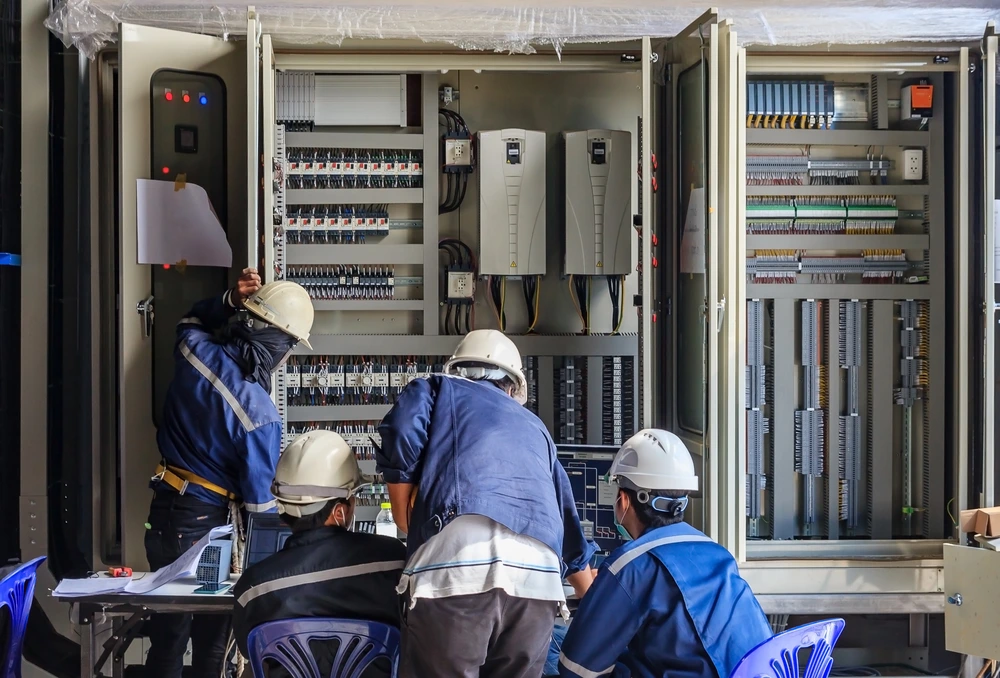
Modern commercial buildings rely on complex electrical systems to keep operations running efficiently. From office towers and shopping centres to warehouses and healthcare facilities, reliable electrical infrastructure is essential for safety, productivity, and compliance. This is where a commercial electrician plays a critical role.
Large commercial projects involve far more than simply installing wires or light fixtures. Every stage—from planning the electrical layout to installing systems and ensuring compliance—must be handled with precision. Professional teams providing commercial electrical services understand how to manage these complexities while maintaining quality, efficiency, and safety throughout the project lifecycle.
A skilled commercial electrician in Melbourne approaches large projects with structured planning, specialised equipment, and extensive industry knowledge. By combining technical expertise with strong project management practices, these professionals ensure that complex commercial electrical systems are installed, maintained, and repaired to support long-term business operations.
Scope and Scale of Commercial Projects
Commercial projects come in all shapes and sizes, from warehouses and retail centres to hospitals, schools and offices. Unlike a home rewire, these jobs often involve high-voltage systems, multi-phase power, and custom installations. For example, a hospital’s electrical network will include backup generators, uninterrupted power supplies and specialised circuits for medical equipment. Similarly, an office fit-out might require complete lighting system design, switchboard upgrades, data cabling and energy-efficient solutions to keep a large team powered and productive.
Commercial electricians in Melbourne have handled projects ranging from shopping centres to factories and high-rise apartments. They emphasise robust power distribution (often 3-phase), emergency and exit lighting, security or access control systems, and even renewable integrations like solar or battery backup.
- Examples of large projects: Warehouses, hotels, hospitals, high-rise buildings, factories, major offices, retail complexes.
- Typical services needed: Power distribution installations, building-wide lighting and HVAC controls, switchboard upgrades, data cabling, emergency power, and solar integration.
- Large-scale systems: Multi-phase electrical networks, high-capacity switchboards, backup generators, and building management interfaces.
Planning and Design by a Commercial Electrician
Before any wires are connected, a commercial electrician begins with detailed planning and design. This often involves collaborating with architects, builders and engineers to make sure the electrical layout suits the building’s structure and purpose. They perform site assessments to map existing systems and constraints, then draft a plan covering power loads, lighting circuits, cable routes and safety features. Melbourne electricians design to Australian standards (AS/NZS 3000 and relevant codes), ensuring everything from circuit capacities to surge protection is covered.
Building Information Modelling (BIM) or CAD drawings are commonly used so all trades stay aligned. For example, electricians will indicate where switchboards, data racks or fire alarm power supplies go, coordinating with structural and MEP teams. Early planning also includes load calculations and scheduling phases of work. A large office fit-out might be split into electrical rough-in, then final installation after walls go up.
Typical planning steps:
- Consult with stakeholders (owners, architects, engineers).
- Conduct a site survey of existing electrical systems.
- Draft detailed electrical schematics and riser diagrams.
- Calculate load requirements and safety margins.
- Plan installation phases to minimise disruption (e.g. doing noisy work off-hours).
Proper design ensures that once the work starts, installations proceed smoothly. It also means safety is built in from the outset, for instance, providing dedicated emergency circuits or separation of circuits to avoid overloads. All plans are checked against regulations, so the final work will pass council and Energy Safe inspections without fuss.
Safety Compliance Standards Followed by a Licensed Electrician
Safety and compliance are non-negotiable on big projects. In Melbourne (and all of Victoria), only a licensed electrician can carry out commercial electrical work. An Electrician’s (A Grade) licence is required, and the business itself must be a Registered Electrical Contractor (REC). This ensures the team has the formal training and insurance for large jobs. Commercial electricians follow the Wiring Rules (AS/NZS 3000), plus local regulations like the Electricity Safety Act, plus any building codes that apply to special venues (e.g. hospitals have AS/NZS 3003).
On-site, rigorous safety protocols prevail. Electricians wear PPE (gloves, eye protection, hard hats) and set up exclusion zones for live work. They use lockout–tagout procedures when working on circuits, and often perform work in pairs to watch for hazards. Jobs include inspections and testing at each stage, documented via Certificates of Electrical Safety.
Commercial Electrical Installation and Project Management
When the groundwork is done, skilled electricians move in to install. This stage includes running cables, mounting switchboards, wiring outlets and lights, and setting up control systems. Because projects are large, teams often work in parallel; for example, one crew may handle high-voltage wiring and switchboards while another installs lighting and power points.
During installation, electricians stick to industry best practices. They use quality components and modern techniques – for instance, prefabricating switchboard segments or using cable management systems. High-demand areas (server rooms, factories) might get isolated circuits or redundant feeds to avoid downtime. Specialty tasks could include programming, building automation, installing surge protection, or setting up EV charging stations.
Safety remains a constant: each installation step is followed by checks. Electricians perform continuity tests, insulation resistance tests, and load tests as required, issuing the paperwork that certifies compliance. These might be multi-step, e.g. after installing a commercial lighting circuit, they’d test all lamps, ensure emergency lights come on during power cuts, and check switchgear functions.
Electrical Maintenance, Testing and System Handover
After the project is live, a licensed commercial electrician often provides ongoing maintenance. This ensures the expensive systems keep running smoothly. Maintenance tasks include thermal imaging of switchboards (to spot hot spots), RCD/safety switch testing, emergency lighting checks, and periodic switchboard inspections. A proactive electrician will set up a schedule, perhaps six‑monthly or yearly checks, depending on building use.
If problems arise, say a tripped breaker in a data centre or a burnt-out lighting circuit, the electrician handles repairs quickly to minimise disruption. Many firms offer 24/7 callouts for emergencies.
Alongside fixes, electricians will advise on upgrades. Modern energy-saving solutions are often suggested during maintenance visits. Regular maintenance can even cut costs. They might help building owners tap into government incentives for such upgrades.
Finally, good electricians ensure a smooth handover. They train facility staff on the new system’s operation and provide documentation, panel schematics, test results and the all-important Compliance Certificate. The goal is to leave the client confident that their electrical system is safe, efficient and in expert hands.
Why a Licensed Commercial Electrician is Essential
Many building owners wonder, “Why not just hire any electrician?” The answer is risk. Large projects are too complex to wing it. Licensed commercial electricians have the training, gear and experience to handle heavy-duty installations safely. They know the Victorian laws inside out and won’t leave you exposed to legal trouble. Plus, they carry full insurance for big jobs and worker safety.
An expert electrician has encountered the issues a novice might not expect, like voltage drop over long cable runs or the need for specialised switchgear. They use industry-standard equipment (e.g. power analysers, special testing rigs) and follow a tried-and-true methodology. The result? Your project finishes on time, works reliably and passes all inspections.
In short, for a safe, on-budget outcome, always go with a licensed commercial electrical contractor. They handle everything from initial design and permit paperwork to final energy audits and maintenance plans. The peace of mind makes it well worth it.
Conclusion
Large commercial electrical projects demand careful planning, skilled workmanship, and strict safety compliance. From system design and lighting installation to ongoing electrical maintenance, professional electricians ensure every stage runs smoothly and efficiently.
For Melbourne businesses, working with a licensed commercial electrician provides confidence that installations, upgrades, and electrical repairs are handled correctly. With the right expertise, complex electrical systems can support long-term business operations while meeting Australian safety standards.
If you’re planning a large project, the team at Eleco Electrical & Data is ready to help. We provide reliable commercial electrical services, installations, and repairs tailored to Melbourne businesses. Our experienced electricians focus on quality, compliance, and timely project delivery. Request a quote today and let our experts support your next commercial electrical project with confidence.
FAQs:
-
What qualifies as a “large” commercial electrical project?
Large projects often involve multi-building sites or installations with high power demands, such as hospitals, high-rise offices, warehouses, or retail centres. If the job requires industrial switchboards, backup generators, or complex lighting systems, it’s likely considered large-scale.
-
Why must a licensed electrician do commercial projects in Victoria?
Victoria law requires an Electrician’s (A Grade) licence for electrical installations, and a Registered Electrical Contractor (REC) registration for contracting work. Licensed professionals ensure all work meets strict safety and wiring standards. Unlicensed work can lead to dangerous faults and legal penalties.
-
How often do large buildings need electrical maintenance?
It depends on the building’s size and usage, but typically major systems are inspected every 6–12 months. High-demand facilities (like factories or hospitals) might require more frequent checks. Regular maintenance – including test-and-tag, switchboard inspections and thermographic scanning – prevents failures and keeps the building compliant.