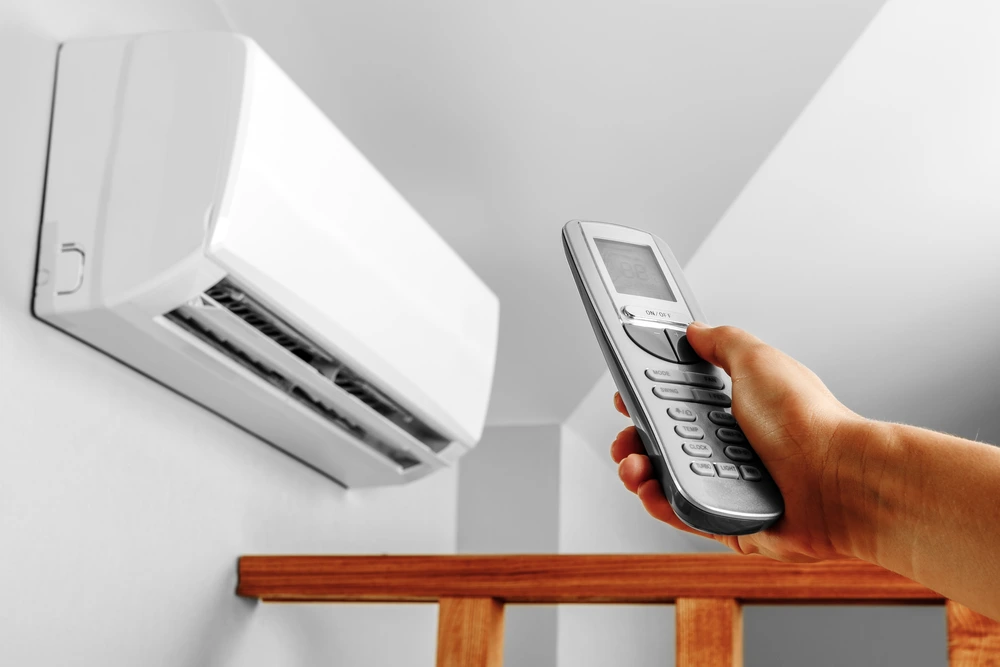
When it comes to keeping your home comfortable year-round, a split system installation can make all the difference. Whether it’s scorching summers or chilly winters in Lalor, having an efficient air conditioning system ensures consistent heating and cooling without sky-high energy bills. Understanding the options available, from single-head units to multi-split systems, is essential before making a purchase.
Choosing the right system involves more than picking a brand or size. Factors such as room dimensions, insulation, ceiling height, and energy efficiency ratings play a crucial role in determining the ideal unit for your home. A poorly sized or improperly installed system can lead to uneven cooling, increased electricity costs, and even unnecessary wear on the equipment over time.
For residents looking for reliable split system installation in Lalor, hiring a licensed professional ensures compliance with electrical and safety regulations while maximising performance. In this guide, we’ll cover everything you need to know, from selecting the right model to professional installation tips, so your home stays comfortable and energy-efficient all year long.
Understanding Split System AC Units
Think of a split-system AC as a two-part climate-control team: one unit lives outside (the compressor/condenser) and one lives inside (the evaporator and fan). The indoor wall unit quietly blows cool or warm air into your room, while the outdoor box pushes heat away. Because the compressor is outside, split systems are far quieter indoors; you won’t hear any noisy hum or clunking while relaxing at home. Most split systems are reverse-cycle, which means they can heat as well as cool using the same refrigeration system. In fact, this technology moves heat instead of generating it, giving you very efficient heating and cooling.
Correct Split System Sizing
Picking the right capacity is vital. If your unit is too small, it will run constantly and still not reach the desired temperature; if it’s too large, it will waste energy and money. As a rough rule-of-thumb, Victorian energy guidelines suggest:
| Room size (m²) | Example rooms | Recommended capacity (kW) |
| up to 20 | Bedroom, study | 2.5 – 3 |
| 21 – 40 | Bedroom with ensuite, lounge | 3 – 5 |
| 41 – 60 | Large lounge, large kitchen | 5 – 8 |
| Over 60 | Very large or open-plan areas | 8+ |
Keep in mind that actual needs depend on insulation, ceiling height, window exposure, and even Lalor’s climate. Installers will factor in your home’s insulation, orientation, and occupancy. Ultimately, double-check with a professional to avoid choosing a unit that’s too big or too small.
Energy Efficiency and Choosing an Efficient Model
Split-system ACs can be remarkably efficient. Reverse-cycle models move heat instead of generating it, so a small amount of electricity can produce several units of heating or cooling. In fact, they’re considered the most energy-efficient way to heat and cool a home. By law, non-ducted room ACs must carry a Zoned Energy Rating label. This star chart shows how well the unit performs in hot, average, and cold climate zones. Remember: more stars means bigger savings on your power bills.
Choose a high-star model and a long warranty for the best savings. Also, run your AC wisely: insulate and shade your home, set sensible temperatures, and clean or replace filters regularly. The Australian government notes that every extra degree of cooling or heating can raise your energy use by about 5–10%. Finally, plan an annual service with an ARC-licensed technician to keep your system running at peak efficiency.
Professional Installation and Licensing
Installing an air conditioner is not a weekend DIY project; it’s regulated work. In Victoria, only licensed practitioners can handle the refrigerant lines and electrical connections. This means hiring an ARC-licensed refrigeration technician and electrician. They will provide the mandatory Certificate of Electrical Safety and Plumbing Compliance Certificate when the job is done, ensuring your installation meets all safety standards. Don’t risk it: any work done by an unlicensed person is illegal and unsafe. Always verify your installer’s credentials online.
Electrical Compliance and Safety Standards
Apart from licensing, a split system must comply with Australia’s electrical safety rules. The installer will ensure your home has a suitably rated circuit; you may need a dedicated breaker or even a switchboard upgrade for a larger unit. The wiring code (AS/NZS 3000) also requires a local isolator switch next to each indoor fan unit, so the AC can be safely powered down during maintenance. A professional installer will handle all these requirements as part of the job.
The Split System Installation Process
A professional installer will guide you through each step, usually including:
- Site assessment: A tech inspects your home’s power supply, chooses a spot for the indoor unit and a location for the outdoor unit.
- Indoor unit installation: The installer mounts the wall bracket and indoor unit on your chosen wall, drilling a neat hole (typically ~50mm) through to the outside.
- Outdoor unit installation: A concrete slab or metal bracket is set up outside, and the compressor/condenser is bolted to it.
- Connecting the units: Copper refrigerant lines, the condensate drain, and electrical cables are fed through the wall. These lines are insulated and sealed carefully.
- Electrical wiring: A dedicated circuit is created, and a lockable isolating switch is installed. The outdoor unit is wired back to this switch, and the indoor unit is connected.
- System charging: After vacuuming air out of the lines, the technician releases the refrigerant into the system. This is crucial to form the vacuum seal that makes the AC work properly.
- Testing and commissioning: The installer tests the system in both cooling and heating modes, checks airflow and temperatures, and looks for any leaks. Finally, they demonstrate the controls and hand over your compliance certificates.
Sometimes a home uses more than one compressor (for a large house or multi-split setup). Each head unit needs its own piping, wiring, and controls, so a complex installation underscores the need for a qualified professional.
Conclusion
Choosing the right split system installation is more than just selecting a unit; it’s about ensuring your home in Lalor stays comfortable, safe, and energy-efficient all year round. By understanding proper system sizing, energy efficiency ratings, and the importance of professional installation, you can avoid common problems like uneven cooling, high energy bills, and unnecessary wear on your equipment. Following the right steps ensures long-term comfort and reliability for your family.
Professional installation by licensed experts guarantees compliance with all electrical and safety regulations. From site assessment to indoor and outdoor unit setup, and final commissioning, every step matters. By investing in a high-quality, energy-efficient system and relying on experienced technicians, your home will benefit from optimal performance, reduced running costs, and peace of mind knowing that all work is certified and safe.
At Eleco Electrical & Data, we offer a full range of services, including residential and commercial split system installation, repairs, maintenance, electrical services, switchboard upgrades, and energy-efficient solutions. Don’t leave your comfort to chance; contact us today to book a consultation with our licensed professionals and enjoy reliable, efficient heating and cooling for your home or business.
FAQs:
-
How do I pick the right size split system AC for my home?
Size depends on room area and factors like insulation and ceiling height. As a rule-of-thumb, a ~20 m² bedroom might need about 2.5–3 kW, while a large open-plan area could need 8 kW or more. However, sizing any system involves taking into consideration various factors, not only the room size. It’s best to use the above chart and then confirm with a professional heat-load calculation.
-
Do I need a licensed electrician to install a split system?
Yes, electrical work on air conditioners is legally restricted. Victoria’s rules require a licensed plumber (for refrigerant) and a licensed electrician (ARC or REC) to perform the installation. In short, never attempt to wire a split system yourself: always use a qualified, ARC-licensed technician for safety and compliance.
-
What certificates or paperwork do I get after installation?
A proper installer will provide an Energy Safe Victoria Certificate of Electrical Safety (COES) and a plumbing compliance certificate when the job is done. These documents prove the work meets regulations and keep any manufacturer's warranty valid. If you don’t receive them, ask your installer; they are mandatory in Victoria.