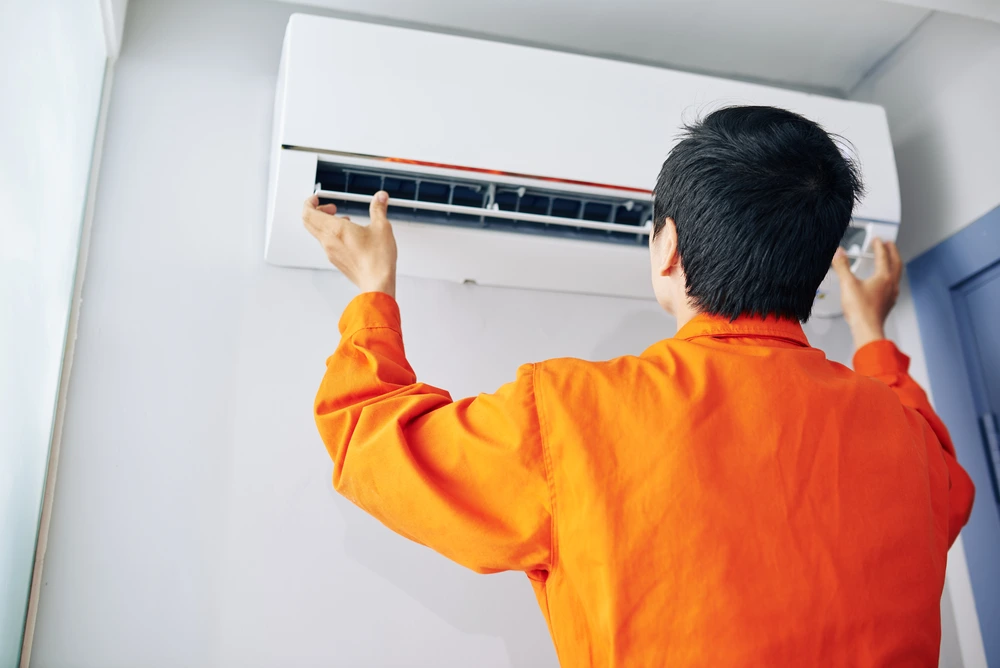
Melbourne’s weather has a reputation for switching moods without warning, which is why homeowners are increasingly turning toward smarter cooling and heating choices. When planned and done correctly, split system installation offers a balanced mix of comfort, efficiency, and reliability, helping you enjoy a pleasant indoor environment no matter what’s happening outside. A well-installed unit doesn’t just cool or warm your home; it can also contribute to smarter energy use and better long-term savings.
Today’s Australian households are more conscious about performance, running costs, and environmental impact. That’s why understanding how split systems work, what makes them efficient, and how professional installation improves results is so important. When you choose wisely, you’re not just buying an appliance; you’re investing in year-round comfort with meaningful value.
Whether you’re upgrading an older unit, installing one for the first time, or simply exploring better climate control options, a carefully planned split system installation in Melbourne can help you achieve practical comfort, improved efficiency, and long-term cost benefits.
Why Melbourne Loves Split System Air Conditioners
Melbourne’s weather can feel like “four seasons in a day”, so a system that both cools and heats is a smart investment. Unlike bulky ducted units, split system air conditioners have separate indoor and outdoor components, making them efficient and flexible. Reverse-cycle split systems use heat-pump technology to transfer warmth, meaning they can deliver 3–6 times the heating or cooling energy of the electricity they use. In practical terms, each kilowatt of power you feed in can produce three to six kilowatts of hot or cold air, a far better return than a simple electric heater.
Modern splits are also quieter and take up less space. An indoor wall-mounted unit blows conditioned air into the room, while the outdoor compressor sits outside. Because splits avoid long ductwork, they avoid energy losses. In fact, ducted systems lose extra energy pushing air through vents and can run less efficiently than wall-mounted splits. For most Melbourne homes, a single split system means precise temperature control without wasted power.
Choosing the Right Split System and Installer
Not all split systems are created equal. You’ll want a unit sized correctly for your space: too big and it will short-cycle (on-off too quickly), too small and it’ll struggle to keep up on hot or cold days. A good rule is to consult the energy rating label and sizing guides. All non-ducted units sold in Australia carry a star rating for efficiency and a Zoned Energy Rating Label showing performance in your climate zone. Look for high-star models to save on running costs.
Once you pick a model, hire a reputable installer. In Victoria, split-system work is regulated by the VBA/EnergySafe: only licensed technicians can do it legally. That means the installer needs plumbing registration with a refrigerant licence and either holds an A-grade electrician’s licence or engages a Registered Electrical Contractor. In short, DIY is not an option: Installing an air-conditioning system is not a do-it-yourself job; you must use a suitably licensed person. Choosing a properly licensed installer protects your family and ensures certificates of electrical safety and plumbing compliance are issued upon completion.
In practice, you can verify an installer’s credentials on the ARCtick website. Always get a quote that breaks out the installation service. A good technician will advise where to place both units. For example, the outdoor compressor should be on a shaded wall with good airflow to avoid overheating.
Installation Steps and Considerations
When your split system is installed, the process typically includes: mounting the indoor unit securely, placing the outdoor unit on a level pad or stand, drilling a small hole for the refrigerant and electrical lines, and connecting the piping. Installation timing can often be negotiated with purchase; some retailers include it, others charge extra. Cost varies by complexity: a standard single-head split up to 3.5kW might run several hundred dollars, but more powerful units (5-7kW) or multi-splits cost more. The key is that quality work prevents problems. After installation, you must receive an Electrical Safety Certificate (COES) and a Plumbing Compliance Certificate from the installer. Without these, your warranty may be void, and future service can become a headache.
It’s also a great time to consider government incentives. In Victoria, for example, the Victorian Energy Upgrades program offers discounts on high-efficiency split systems and heat pumps. If eligible, you could get rebates up to a few hundred dollars for choosing a very efficient model. While rebates shouldn’t be the only reason to upgrade, they do highlight how much the government values efficiency.
Maximising Energy Efficiency for Cost Savings
Once installed, a split system can be a real workhorse, but only if used wisely. Here are some best practices to cut running costs:
Use moderate thermostat settings: Each degree of cooling (or heating) makes a big difference. Experts note that setting the temperature just a few degrees higher (in cooling) or lower (in heating) can save 5–10% of energy per degree. In practice, running the AC at 25–27°C (78–80°F) in summer often feels just as cool with much less power use.
Combine with fans: Ceiling or pedestal fans cost almost nothing (around 2¢/hr) and help circulate air. Running a fan with your AC lets you feel cooler at a higher thermostat setting, saving energy.
Seal doors and curtains: When your AC is on, close all doors and windows. Cooling a tightly closed space (or using curtains to block out hot sun) means the AC achieves target temps faster and leaks less cool air, which translates to big savings.
Pre-cool early: On really hot days, turn the AC on earlier before it’s at peak temperature. When the system starts working, it’ll have an easier time handling a smaller temperature gap. You can then use a timer to turn it off once the house is cool, rather than blasting it full force under a broiling sky.
Check your maintenance: Simple chores make a big efficiency difference. Regularly clean or replace filters (every 2 weeks during heavy use) so air flows freely. Wipe down the indoor unit’s vents and louvres and keep the outdoor coils clear of dust/debris. These tasks ensure the system doesn’t work harder than needed.
We can also summarise a few of these tips in a table for clarity:
| Maintenance / Use Tip | Benefit (Efficiency Gain) |
| Clean/replace air filters regularly | Better airflow, up to X% efficiency improvement |
| Schedule annual service by a licensed tech | Ensures the system runs at peak performance |
| Use an appropriate thermostat (25–27°C) | Each degree lower saves ~5–10% energy |
| Combine AC with fans | Circulates cool air; allows higher temp setting |
| Close doors/windows and insulate the room | Prevents cool air from escaping and loss |
By following these steps, efficient settings, good maintenance and using fans, many Melbourne homeowners slash their cooling costs by 20–30% or more. Even simple habits like turning the unit off when leaving home or going to bed can shrink bills.
Maintenance Tips for Split Systems
Proper upkeep not only saves energy but also extends the life of your split system. In addition to the table above, here are some key maintenance tips:
Regular servicing: Have a licensed technician inspect and service your system at least once a year. They will check refrigerant levels, electrical connections, and the overall operation. Since only licensed pros can safely handle refrigerant and gas in Victoria, this step also keeps you compliant.
Clean filters and units: As mentioned, wash or change filters regularly. Vacuum or gently brush the metal fins on both indoor and outdoor units if dusty. Check that the outdoor unit’s fan and coils are clear of leaves or obstructions. In between annual services, a quick homeowner clean can boost airflow and efficiency.
Check for wear: Look (safely) for signs of wear or damage, like unusual noises, fluid leaks, or poor cooling. Early fixes (tightening loose mounts, fixing insulation on pipes, etc.) prevent energy waste.
Review the warranty: Keep your installation certificates and read the warranty. Under Victorian Energy Upgrades rules, new systems must have at least a 5-year warranty. If something fails, a valid warranty handled by a qualified company means a repair or replacement at minimal cost to you.
By investing in maintenance, you avoid the dreaded “AC breakdown in a heatwave” scenario. Instead, you keep the unit running like new and under warranty, and you maintain that money-saving efficiency over time.
Government Programs and Rebates
Melbourne homeowners can also tap into state programs that encourage efficiency. The Victorian Energy Upgrades (VEU) program, for instance, offers incentives for installing high-star-rated reverse-cycle splits. Because cooling and heating can be a huge chunk of energy use, the government is willing to help shoulder the upgrade cost. Eligible households might get hundreds or even thousands of dollars back by replacing old gas heaters or electric resistance heaters with modern split systems.
Beyond rebates, keep an eye on other initiatives like the National Construction Code’s forthcoming efficiency standards (for rentals and new homes). From 2030, Victorian rentals must have a 3-star (or better) AC in living areas, for example, highlighting the long-term push toward efficiency. While these policies don’t directly affect homeowners now, they show the direction: energy-efficient split systems will soon be the norm. For you, this means a higher-value home and the pride of lower bills and emissions.
For the latest rebates or requirements, check official sites like the Victorian Energy Upgrades program or Sustainability Victoria. These sites will have up-to-date factsheets (for example, about choosing the right system size and star rating) and any financial assistance details.
Conclusion
A well-chosen and professionally installed split system can make a noticeable difference to comfort, efficiency and running costs in Melbourne homes. From selecting the right capacity and energy-efficient model to ensuring correct placement and expert installation, every step plays a role in performance and long-term value. With government guidance, maintenance awareness and smart usage habits, homeowners can enjoy steady comfort while keeping energy consumption under control.
When you combine quality equipment with licensed installation and ongoing care, you don’t just get cooling and heating, you get reliability, better air quality, efficiency and peace of mind. A thoughtful approach today helps you reduce future repairs, avoid energy waste and maximise the benefits of your system for years to come.
If you’re ready to upgrade or plan your split system installation with trusted local professionals, my team is here to help with expert guidance, licensed installation and dedicated customer support. For reliable services in Melbourne, contact us today to get started on a smarter, more efficient home climate solution.
FAQs:
-
What is a split system air conditioner, and how does it work?
A split system is a reverse-cycle air conditioner with two parts: an indoor evaporator unit and an outdoor compressor unit. It uses refrigeration to move heat, cooling in summer and heating in winter, making it very efficient. Unlike portable ACs, splits are fixed installations that can also heat your home, offering year-round climate control.
-
Why should I hire a licensed split system installer?
In Victoria, only licensed professionals can legally install or service split AC units. These technicians have the required plumbing, refrigerant-handling and electrical qualifications. Hiring a licensed installer protects your warranty and safety. They must provide electrical safety and plumbing certificates when the job is done. An expert installer will also size the unit correctly and position it for maximum efficiency.
-
How can I ensure my split system remains efficient and cost-effective?
Regular maintenance and smart use are key. Clean or replace the filters every few weeks during heavy use to keep airflow high. Schedule an annual service by a licensed technician to inspect and fine-tune the system. Use the system wisely: set reasonable thermostat levels, combine it with fans, and close doors/windows while running. These steps will help your split system deliver top performance and lowest running costs throughout its life.