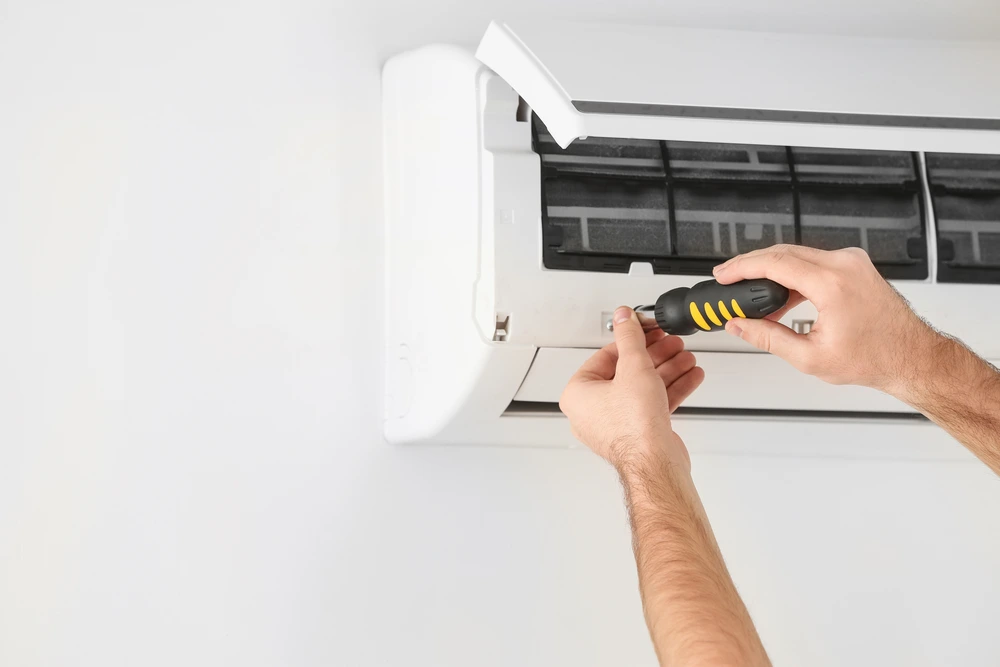
Renovating your home is the ideal time to rethink how you heat and cool your living spaces. Walls are open, layouts are changing, and smart upgrades can be planned without compromise. One of the most practical improvements you can make at this stage is split system installation, as it allows you to design comfort around your new spaces rather than forcing a system to fit later. When planned early, it blends seamlessly into your renovation and supports better energy efficiency, quieter operation, and long-term reliability.
For homeowners in Epping, renovations often involve modernising older layouts or adapting homes for changing family needs. Heating and cooling decisions made during this phase can influence everyday comfort for years to come. From selecting the right unit to understanding placement, electrical requirements, and compliance, careful planning ensures your system performs as expected without unnecessary changes or delays down the track.
This guide focuses on split system installation in Epping, offering practical tips tailored to renovation projects. By understanding how split system installation fits into the renovation process, you can avoid common pitfalls, make informed decisions, and achieve a result that feels considered, efficient, and built to last.
Compliant Split System Installation: Permits & Approvals
In NSW, small home AC installations are often treated as exempt development, meaning no council planning or building approval is needed if you meet certain standards. In practice, this means:
- Follow the NSW codes: Exempt rules are detailed in Clauses 2.5 and 2.6 of the state SEPP (Exempt and Complying Development Codes) 2008. These set development standards (e.g. unit capacity, placement, noise) that you must meet for a “complying” installation.
- Where you can install units: You can put the indoor head on a balcony floor or the roof behind the front building line. Special rules apply for heritage homes: any unit must be on the ground or behind the rear building line.
- No formal approvals: If your split system meets those conditions, you won’t need a Development Application or Construction Certificate.
- Check other requirements: Even if exempt from planning, all installations must comply with the Building Code of Australia and general safety rules.
By design, most residential split systems fall under these exempt rules. But always double-check your specific project. Contact Service NSW or check the online planning portal if unsure.
Professional Split System Installation Services & Licensing
Hiring qualified installers is non-negotiable. In NSW, you must have a licensed technician do the work; it’s against the law to DIY the refrigerant or wiring. For example, installing the outdoor compressor, brazing refrigerant lines or handling coolant all require an Air Conditioning and Refrigeration licence or certificate in NSW. Unlicensed work risks damaging the system, violating safety rules, and can incur heavy fines.
Look for installers accredited by the Australian Refrigeration Council (ARC); they’re certified and meet national safety standards. A professional service will:
- Assess your needs: Experts will survey your home and recommend a suitable unit size and model.
- Handle compliance: The installer ensures the job follows Australian Standards and NSW regulations.
- Provide warranties: Licensed companies usually offer workmanship guarantees.
Even if it’s tempting to save money, don’t cut corners on licensing. A compliant, quality installation by professionals is crucial for safety and system longevity.
Correct Split System Sizing for Your Home
Choosing the right capacity is key. An undersized unit will struggle to cool or heat, running constantly and raising power bills; an oversized one will cycle on and off inefficiently. In practice:
- Get professional advice: The Australian Energy Rating label advises getting expert input to pick the correct size. Installers often use rules of thumb (e.g. kW per square metre) but will refine this by measuring your specific space.
- Use the energy rating label: All new split systems must carry a Zoned Energy Rating Label. This label lets you compare models by efficiency in your climate (hot, moderate or cool zones). When shopping, pick the model whose star rating in your zone offers both comfort and economy.
- Consider your zone: Epping is in the Sydney coastal climate. Ensure the unit’s cooling/heating capacity matches local needs.
In short, don’t eyeball it. Talk to a qualified installer or energy advisor who can calculate the capacity your renovated home needs. It’s a smart way to avoid wasted energy and ensure comfort.
Installation Tips: Placement, Efficiency & Environmental Considerations
Proper positioning and setup will boost performance and minimise hassles. Keep these in mind:
- Outdoor unit location: Choose a shaded, open area for the compressor. Direct sun or poor airflow makes it work harder. Avoid tight spaces or near vegetation. Also, keep it a reasonable distance from bedroom walls or neighbours, NSW guidelines suggest following the EPA noise limits.
- Indoor unit placement: Mount the wall unit high enough for good air circulation. Avoid pointing it directly at lounging spots to prevent cold drafts. Ensure there’s no obstruction to airflow (e.g. furniture) and keep it away from windows to reduce load.
- Airflow clearance: Both indoor and outdoor units need clearance around them. This allows efficient heat exchange and easier maintenance. Don’t enclose the outdoor unit in a tight lattice or cover its vents.
- Cooling load management: Improve overall efficiency by shading windows, adding insulation or closing curtains in hot weather. These simple steps reduce how hard your split system must work.
- Clean filters and ducts: Regularly clean or replace the AC filters to maintain airflow. A clean filter lowers electricity use and prolongs the unit’s life.
- Service schedule: Plan an annual check-up with your installer. They’ll inspect refrigerant levels, electrical connections and overall performance.
- Use eco-friendly refrigerant: If you’re installing a new system, consider one using a low-GWP refrigerant. Not only is this better for the environment, but newer refrigerants can also be more efficient.
Each home and installation is unique, so adapt these tips to your situation. A good installer will help optimise placement based on your renovation layout.
| Aspect | Tips / Requirements |
| Permits & Approvals | Follow NSW exempt development rules. No council approval is needed if you comply with Clause 2.5 & 2.6 standards. |
| Licensing | Only a licensed HVAC technician can install or service your system. Hiring an ARC-certified installer ensures compliance. |
| Sizing | Use the Energy Rating label and professional advice to match capacity to room size. |
| Placement | Place the outdoor unit in a ventilated, shaded spot; mount indoor units on unobstructed high walls. |
| Maintenance | Clean filters regularly and schedule annual servicing to keep performance up. |
Conclusion
Installing a split-system AC during your Epping home renovation can greatly improve comfort, but it pays to do it right. Remember: plan the layout before renovation, follow NSW planning rules, and always hire licensed professionals. Choose the correct system size with help from energy labels and experts. Place units thoughtfully for airflow and minimal noise, and keep up with maintenance for best efficiency.
By checking regulations and partnering with experienced installers, you’ll enjoy a compliant, energy-smart installation. Ready to get started? Reach out to an ARC-licensed installer or contact Service NSW for advice. Your renovated home will be cool, cozy and compliant in no time.
If you’re renovating in Epping and want expert guidance, Eleco Electrical & Data offers professional split system installation services along with electrical upgrades, switchboard replacements, lighting, and general residential electrical solutions. Our team ensures safe, compliant, and high-quality workmanship tailored to your project. Request a quote today and let us help you create a more comfortable, energy-efficient home.
FAQs:
-
Can I install a split system myself, or must I hire a professional?
You must hire a qualified technician. NSW law requires a licensed air conditioning or refrigeration contractor to do any AC installation work. Unlicensed DIY installation is illegal and risky; it involves refrigerants, electrical work, and safety tests. Using a licensed service ensures the job meets legal and safety standards.
-
How do I choose the right size air conditioner for my home?
Choosing the right capacity is critical. Use the Energy Rating (stars) label on models to compare how well they cool your climate. It’s best to get professional advice: technicians calculate your home’s cooling load based on room size, insulation and local climate. A properly sized unit saves energy and prevents under- or over-cooling your space.
-
Are there energy efficiency standards for new split system AC units?
Yes. All new air conditioners in Australia must meet minimum energy performance standards. Split systems (non-ducted) must carry a Zoned Energy Rating Label. This label shows a star rating for your climate zone and estimated annual usage. Look for a high-star model to ensure efficient cooling and lower running costs.