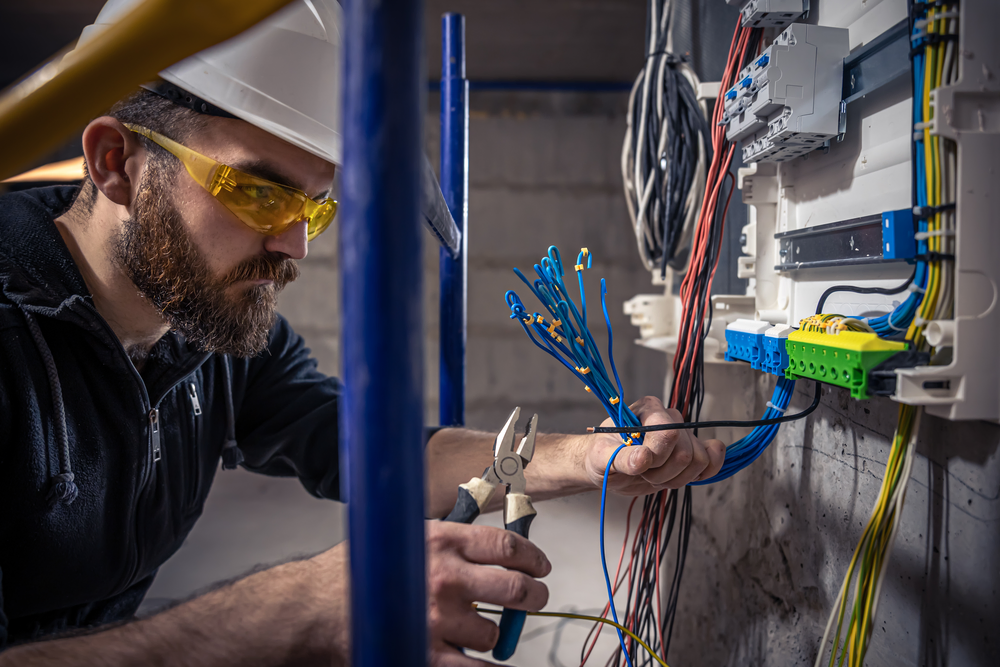
Home rewiring is one of those topics many homeowners prefer to ignore until something goes wrong. Flickering lights, tripping circuits, or outdated wiring aren’t just inconveniences; they’re early warning signs. This is where a residential electrician in Thomastown plays a critical role. Rewiring isn’t about quick fixes or cosmetic upgrades. It’s about ensuring your home’s electrical system is safe, reliable, and built to handle modern living without putting your family or property at risk.
Older homes, especially those built decades ago, were never designed for today’s energy demands. Multiple appliances, home offices, and smart devices can strain ageing wiring beyond its limits. Without professional assessment, hidden electrical issues can quietly develop behind walls, increasing the risk of faults or fire. Understanding when rewiring is necessary and why professional expertise matters can save you from costly and dangerous consequences later.
For homeowners seeking long-term safety and compliance, engaging a residential electrician in Thomastown that residents trust is essential. A qualified local expert understands home rewiring requirements, Australian standards, and the specific needs of properties in the area, ensuring the work is done correctly from the start.
Why DIY Rewiring Is Dangerous
Most homeowners are comfortable painting a wall or fixing a leaky tap themselves, but rewiring a house? That’s a whole different story. The electricity coursing through your walls can be lethal if handled incorrectly. Touching deteriorated cables or making a wiring mistake can be fatal.
Imagine opening your switchboard and seeing tangled old wires. A licensed electrician methodically tests and replaces any faulty cables, ensuring every circuit and safety switch is up to code. If a non-professional attempts this, even a small error could cause a short circuit or shock. Electrical work is not worth the risk of injury or fire.
Key risks of DIY rewiring include:
- Electric shock or burns: Live wires can deliver life-threatening voltage. Licensed electricians use special tools and protective equipment to avoid injury.
- House fires: Incorrect connections or overloaded circuits can ignite. Old wiring, in particular, is brittle and dangerous.
- Code violations: DIY work often fails to meet Australian standards (AS/NZS 3000) or local regulations.
- Insurance issues: Many insurers will refuse a claim if a fire is due to illegal electrical work.
Even if you think a task “looks easy,” one wrong move can have dire consequences. When it comes to rewiring your Thomastown home, playing it safe means calling the professionals.
Safety Standards and Legal Requirements
Home rewiring must comply with stringent safety standards in Australia. The Electrical Safety Acts in every state make it clear: only licensed professionals can carry out electrical wiring work. In New South Wales, for example, you must have an electrical licence before doing any wiring, and unlicensed work can lead to fines up to $22,000 for individuals. Victoria has similar laws; a registered electrical contractor (REC) is required for any significant rewiring.
By law, your electrician must issue a Certificate of Electrical Safety (COES) once the job is done. This certificate is your proof that the work “has been tested and complies with relevant Australian Standards” (including the Wiring Rules AS/NZS 3000). In other words, only a qualified electrician can guarantee that your new wiring meets the Australian electrical wiring standards and is safe for your home.
All major rewiring in a house (known as “prescribed” work in Victoria) must be inspected by an electrical inspector. This covers wiring up to your switchboard and even the cable from the street. A licensed electrician will arrange this inspection for you. The table below summarises the key requirements:
| Requirement | What It Means for Your Rewiring |
| Licensed Electrician (REC) | You must hire a qualified professional. DIY rewiring is illegal and dangerous. Only a licensed electrician can legally perform home rewiring. |
| Certificate of Electrical Safety (COES) | After rewiring, the electrician issues this certificate as proof that the work is done to high standards. It’s legally required for major home rewiring. |
| AS/NZS 3000 Wiring Rules | These are the national safety rules for all electrical installations. Compliance is mandatory; professionals know how to apply it. |
| Prescribed inspection | Major rewiring work (up to the meter) must be inspected by an inspector. Licensed electricians coordinate this, ensuring compliance. |
| Insurance & Liability | Licensed electricians carry public liability insurance. If something goes wrong, their insurer covers damages (unlike unlicensed DIY work). |
Having these safeguards in place means you can trust that professional rewiring protects your home. The electrician becomes legally accountable for the work, giving you peace of mind.
The Rewiring Process Explained
A home rewiring project typically involves several steps, and all of them are technical:
- Initial Inspection: The electrician tests your existing system, identifies problems (like outdated cabling, absent safety switches, overloaded circuits), and provides a quote.
- Planning & Permits: For Thomastown homes, the electrician designs a rewiring plan meeting Victorian codes. They obtain any necessary permits and schedule the Certificate of Electrical Safety.
- Removing Old Wiring: In stages, old wires and fittings are removed. This often means cutting into walls and replacing antiquated fuse boxes or knob-and-tube wiring. It’s a messy job; the wires shown below are an example of what can happen inside your walls if neglected. An electrician will carefully extract and dispose of these cables. They know how to safely handle live sections while power is shut down.
- Installing New Wiring: Fresh, code-compliant cables (usually copper insulated conductors) are run through walls and floors. The electrician places new power points, light circuits, and installs modern safety switches (RCDs) and circuit breakers. Each connection is tightened and tested to ensure safety.
- Testing & Certification: Once all wiring is in place, the electrician conducts rigorous electrical tests (continuity, insulation resistance, polarity) on every circuit. They then arrange for an electrical inspector to check “prescribed” work and issue the final compliance certificate.
Hiring a local residential electrician in Thomastown also adds convenience. A nearby electrician can quickly respond, source familiar materials, and coordinate inspections with local authorities. They understand common issues in Melbourne-area homes and how to fix them safely.
Comparing DIY vs Professional Rewiring
To put it simply, rewiring your home is much more than just swapping cables. The table below highlights why professional home rewiring services are worth every penny:
| Aspect | DIY Rewiring | Licensed Electrician |
| Safety | Extremely risky – even a small mistake can cause shocks or fire. | Work is done by trained pros with safety protocols, drastically reducing accident risk. |
| Compliance | Likely to violate codes (AS/NZS 3000) and laws. You can be fined (up to ~$20,000+). | Guaranteed to meet all legal and safety standards, with official Certificates of Electrical Safety issued. |
| Reliability | No warranty or guarantee. Faults may surface later (and insurers may refuse claims). | Electricians often warranty their work; they take responsibility if something fails. |
| Insurance | DIY may void your home insurance if an electrical fire occurs. | Professionals carry public liability insurance and the required electrical contractor insurance. |
| Expertise | Limited knowledge: risk of missing hidden issues (old cables, overloaded circuits). | Expert diagnosis and quality workmanship ensure longevity and peace of mind. |
This comparison makes it clear: there’s no real upside to doing your own rewiring. The downsides, legal, financial, and safety, are huge. In contrast, hiring a licensed electrician in Thomastown means you get peace of mind that the job is done correctly and safely.
Choosing the Right Electrician in Thomastown
Not all electricians are the same. When your home needs rewiring, look for a licensed local residential electrician in Thomastown who has:
- Proper credentials: Ask to see their electrical licence and registration. In Victoria, qualified electricians carry an ID card proving their licence.
- Experience with rewiring: Ensure they list residential rewiring services among their areas of expertise. Rewiring an entire home involves more skill than simple repairs.
- Good reputation: Local contractors often have reviews or recommendations. You can also search Energy Safe Victoria’s Public Register for licensed electrical contractors in your area.
- Insurance and warranty: A reliable electrician should carry the required $5 million public liability insurance for electrical work and offer a warranty on their labour.
Conclusion
Home rewiring is not simply an upgrade; it’s a critical step in protecting your home, your family, and your long-term investment. Throughout this blog, we’ve highlighted why rewiring requires professional expertise, from meeting Australian electrical wiring standards to reducing safety risks hidden behind walls. A qualified electrician ensures your system can safely support modern power demands while remaining compliant, reliable, and future-ready.
We’ve also explored how licensed professionals bring experience, accountability, and peace of mind to the process. From thorough inspections and testing to issuing compliance certificates, professional rewiring removes uncertainty and minimises the risks that DIY or unlicensed work can create. When it comes to electrical safety, shortcuts are never worth the cost.
At Eleco Electrical & Data, we provide trusted residential rewiring services, safety upgrades, inspections, and general electrical solutions tailored to your home. If you’re considering rewiring or need expert advice, contact us today to speak with a licensed professional and take the first step toward a safer home.
FAQs:
-
Why should I hire a licensed electrician for home rewiring?
Licensed electricians have the training and tools to handle live wiring safely. They follow strict Australian standards (AS/NZS 3000) and provide a legal Certificate of Electrical Safety after rewiring. DIY rewiring is illegal, dangerous, and can void insurance.
-
How can I tell if my home needs rewiring?
Common signs include flickering or dimming lights, frequently tripped breakers, scorch marks on outlets, or buzzing switches. Energy Safe Victoria advises homes built before the 1980s to get their wiring checked by a professional. Any such warning sign warrants a licensed electrician’s assessment.
-
What happens during the professional rewiring process?
An electrician will inspect your current wiring, plan upgrades, install new cables and safety switches, and then test everything. All major rewiring in Victoria requires an inspection and a Certificate of Electrical Safety to prove compliance. This ensures your home is safe and up to code when the job is done.